
Why Pairing Magnesium with Your Ferrocerium Fire Starter Kit makes sense
1 August 2025The 5 C’s of Survival: Essential Gear for Self-Reliance
7 August 2025Why the Ferro Rod Reigns Supreme in Bushcraft: Lessons from ‘Alone’ Africa
In the high-stakes world of wilderness survival, where every decision can mean the difference between thriving and tapping out, one tool consistently proves its worth: the ferrocerium rod. This humble “ferro rod” or “fire steel”—a small metal cylinder made from the alloy ferrocerium that produces sparks when struck with steel—has become a non-negotiable for bushcraft enthusiasts. Drawing from the intense drama of the outdoor reality show Alone, particularly its latest Africa season, let’s explore why this spark-generating powerhouse is an essential bushcraft item.
The Rules of ‘Alone’: Choosing Wisely in the Wild
For those new to Alone, contestants are dropped into remote backcountry with just ten items selected from a master list of about 60 tools, gear, and gadgets. They must live off the land as long as possible, facing isolation, hunger, and the elements. Common picks include bows and arrows, fishing gear, saws, axes, and tarps—but the ferro fire striker ranks as the second most-popular choice, right behind the sleeping bag.
Why? As survival scenarios unfold on the show, it’s clear that “having access to reliable fire is simply too important to ignore.” Fire means warmth, purified water, cooked food, and morale. Without it, even the most skilled bushcrafter can falter.
A Tough Lesson from Episode 7: Baha’s Bow-Drill Blunder (Spoilers Ahead!)
In the seventh episode of Alone Africa, titled “Echoes of Emptiness” and aired on July 31, we witnessed a poignant example. Baha, the charismatic 50-year-old Kyrgyzstani-Canadian survivalist, lasted 18 days in the harsh Great Karoo desert before calling it quits, leaving only Nathan, Kelsey, and Katie in the competition.
Baha’s journey started with risky moves: abandoning his initial camp for a spot two miles away, trekking in the scorching afternoon heat without potable water. But his biggest setback? Opting out of a ferro rod in favor of relying on bow-drill skills for fire-starting. It took him nearly two days to create an ember via this friction method, finally allowing him to boil water.
Baha joined a rare club—just the sixth participant across Alone‘s 11 traditional seasons to skip the ferro rod. The others? Nathan Donnelly (Season 6), Matt Corradino and Colter Barnes (Season 8), Luke Olsen (Season 10), and Jake Messinger (Season 11). What unites them? Every single one tapped out.
The Pitfalls of Overconfidence: Energy, Reliability, and Rest
Sure, some bushcrafters are adept with a bow and drill, but “this method requires too much physical energy to complete, and is far less reliable than a ferro rod.” In wet or cold environments—like the desert monsoons that soaked everything in Alone Africa—kindling gets damp, making friction fire nearly impossible.
Without a ferro rod, Baha had to maintain his fire around the clock, even staying up all night to stoke it. As Alone repeatedly demonstrates, “in a survival situation, rest is almost as valuable as food.” Exhaustion eroded Baha’s mood and resolve—no sleep equals no mojo. He spent much of his time tending the flames, sacrificing recovery after grueling days.
Past seasons echo this: In Season 1, Joe Robinet lasted barely 24 hours after losing his ferro rod. Season 7’s Shawn Helton bailed for the same reason. Even Season 6’s tough Nathan endured 72 days without one, but keeping the fire constant dried out his shelter, leading to a near-fatal blaze.
An Alone alumnus once shared that overconfidence in bow-drill prowess is common among contestants. As long as human nature includes that hubris, some will leave the ferro rod behind—but the show proves it’s a gamble rarely worth taking.
Why Ferro Rods Are Bushcraft Essentials: Beyond the Show
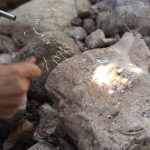
These Alone stories highlight broader bushcraft truths. A ferro rod’s sparks, hitting 3,000°C (5,430°F), ignite tinder in any weather—rain, wind, or snow—unlike matches or lighters that fail when wet or empty. Its durability offers thousands of strikes, making it a lightweight, long-lasting companion that fits in a pocket or survival kit.
In bushcraft, where minimalism and self-reliance are key, a ferro rod empowers versatile skills: signaling with bright sparks, sharpening tools, or integrating with natural tinders like fatwood. It’s affordable, compact, and builds confidence through practice, aligning with the ethos of honing wilderness expertise.
Whether you’re prepping for a backcountry trip or just enjoying nature, a ferro rod ensures fire on demand, preserving energy for shelter, foraging, or rest.
Spark Your Survival Skills
The ferro rod’s starring role in Alone Africa reminds us: Don’t underestimate this essential tool. If you’re building your bushcraft kit, make it a priority—grab one with a sturdy striker and practice today. What’s your must-have survival item? Share in the comments below, and let’s discuss how Alone inspires your adventures!


